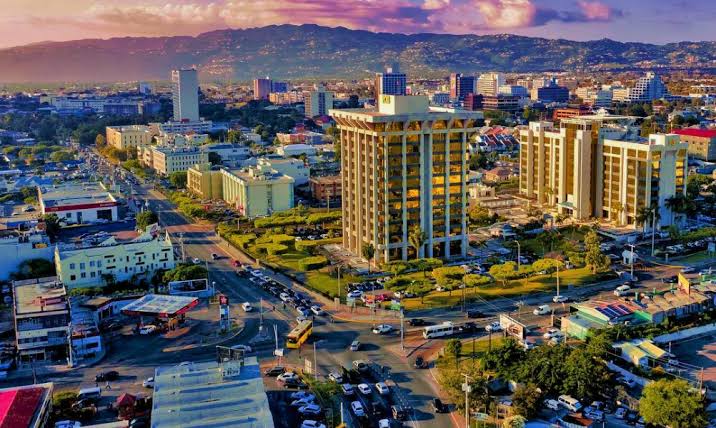
Jamaica is digging out from the costliest storm in its history, and the latest financial data reveals an economy battered but fundamentally resilient. While the headline numbers still show a contraction, the underlying current points to a recovery that is steadily gaining momentum.
The Lingering Shadow of Hurricane Melissa
The raw numbers for the first quarter of 2026 reflect the sheer scale of Hurricane Melissa’s devastation. Jamaica’s economy contracted by 4.1%. As stark as that sounds, it is actually a silver lining—the Planning Institute of Jamaica had initially projected a steeper 5.9% decline.
The damage was widespread, hitting specific sectors with brutal force. Agriculture plunged 18.3%, driven by near-total wipeouts of key crops like bananas and plantains. Tourism accommodation and food services contracted 16.6% as storm-damaged hotels remained shuttered and foreign arrivals plummeted. Mining dropped 23.5% as infrastructure damage pulled bauxite and alumina output down sharply.
However, when you look past the year-on-year damage, the immediate trajectory tells a more encouraging story. On a seasonally adjusted quarter-on-quarter basis, real value added actually rose by 3.3% compared to the end of 2025. Sectors like manufacturing even eked out gains, bolstered by cement and paint production as the island rebuilds. This quarter-on-quarter bounce suggests the worst of the post-hurricane shock is now behind the most affected sectors.
The Inflation Fight
The cost of that massive rebuilding effort, combined with global volatility, is putting serious pressure on the Bank of Jamaica. Inflation hit 5.5% in May 2026, and the central bank warns it will likely temporarily breach its 4.0% to 6.0% target range over the summer.
This upward pressure comes from two main fronts. First, global tensions and conflicts are keeping international fuel prices elevated, which cascades into higher transport and energy costs locally. Second, the fiscal spending required for post-hurricane reconstruction is injecting cash into the economy, increasing domestic demand for building materials and services.
To prevent these pressures from sparking runaway price increases, the Bank of Jamaica is holding its monetary policy steady. Despite the headwinds, the bank projects real GDP growth between 1.0% and 3.0% for the 2026/27 financial year, backed by a robust US$6.5 billion in international reserves to cushion against further shocks.
Looking Ahead: Regulation and Stability
Beyond the immediate crisis response, Jamaica is making strategic moves to safeguard its financial future.
On the digital front, the country is moving closer to formalizing rules for its fast-growing virtual assets industry. The public feedback period for proposed regulations on the multi-billion-dollar cryptocurrency market recently concluded, marking a significant step toward official domestic oversight.
Additionally, the Bank of Jamaica has proposed a new analytical tool designed to spot quiet vulnerabilities before they become full-blown crises. Dubbed the Domestic Cyclical Systemic Risk Indicator, this system tracks metrics like real credit growth, equity prices, and current account balances to give policymakers the data needed to preempt financial instability years before it erupts.
Leave a Reply